Choose Quality Fence Installation Austin for Iron Fencing
Premium Fence Installation: Enhance Your Property's Aesthetic With Skilled Craftsmanship
Custom fence installation acts as an critical factor in elevating both the decorative and structural aspects of a property. With a variety of materials and designs to choose from, property owners can attain a customized look that suits their landscape. Expert installation proves critical in maintaining durability and style. When homeowners weigh their choices, they may start considering how to best approach their fence installation project for the greatest benefit.
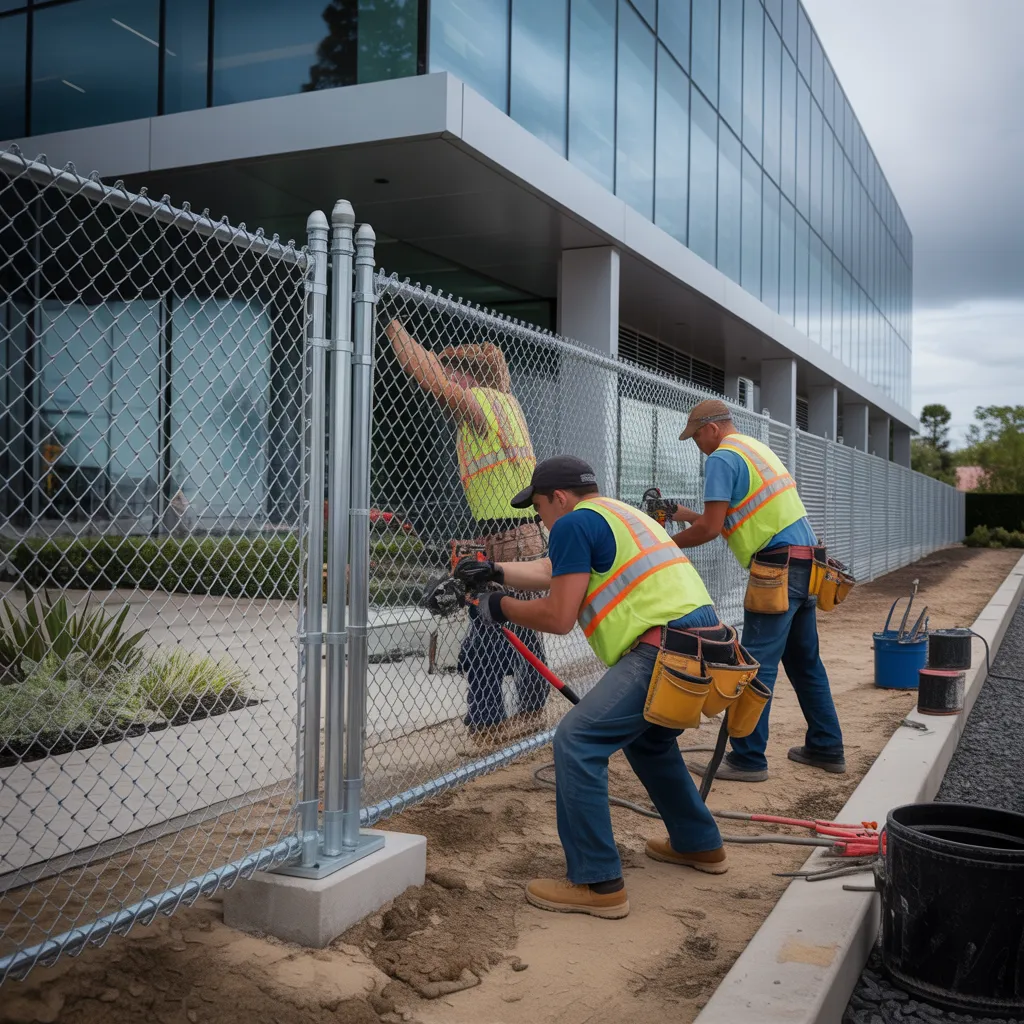
Why Custom Fences Are Important for Your Home
Custom fencing solutions are commonly acknowledged as important additions for homes and residential spaces. These structures fulfill several functions, improving safety, seclusion, and visual charm. Homeowners often find that a thoughtfully crafted fence is able to mark property lines, offering a distinct separation between their home and surrounding properties. This boundary not only nurtures a perception of ownership but also encourages a sense of security, particularly in urban settings.
Additionally, custom fences can be designed to enhance the architectural character of a home, integrating naturally with the current outdoor setting. Choices like wood, vinyl, or metal can be utilized based on personal taste and structural needs, presenting diverse possibilities to suit individual tastes. Furthermore, these fences can enhance real estate worth, making them a valuable addition for homeowners. Overall, custom fences play a vital role to the aesthetic appeal and practicality of home environments, making them an critical aspect in property enhancement projects.
Planning Your Custom Fence Budget
When planning a custom fence project, homeowners must carefully assess their budgets to guarantee the final installation aligns with their vision without exceeding their finances. Setting a defined budget involves accounting for multiple considerations, including materials, labor costs, and any additional features, such as gates or decorative elements. Property owners should gather several estimates from contractors to assess rates and available services.
It's also essential to factor in potential hidden expenses, such as site preparation or permits. By allocating a contingency fund—typically 10-15% of the total budget—homeowners can cover unexpected costs that may occur throughout the installation process.
Prioritizing needs versus wants can make budgeting more efficient, guaranteeing that necessary features are covered while minimizing unnecessary expenditures. By thoughtfully approaching the budgeting process, homeowners can guarantee a rewarding and successful custom fence installation that improves their property value without compromising financial stability.
Selecting the Best Materials for Your Custom Fence
When choosing the right materials for a custom fence, property owners often face the choice between wood and vinyl options. Each option presents notable advantages regarding durability and maintenance requirements. Recognizing these distinctions can strongly impact the long-term effectiveness and longevity of the fencing solution.
Wood Versus Vinyl Fencing
Picking the best materials for a fence can significantly impact both aesthetics and performance. A wood fence is frequently chosen for its organic appeal and adaptability, allowing for various styles and finishes. It can naturally integrate with landscaping and offers a welcoming, cozy look. However, it may require routine maintenance to maintain its allure.
Alternatively, vinyl fencing provides a contemporary aesthetic with a neat, consistent appearance. Homeowners can find it in many hues and patterns, providing homeowners with options that suit their preferences. Vinyl holds up against bugs and deterioration, positioning it as a hassle-free selection. In the end, the decision between timber and vinyl fencing solutions is guided by homeowner preferences, visual goals, and long-term property aspirations.
Longevity and Upkeep Considerations
Assessing longevity and upkeep considerations is crucial for selecting the right materials for a custom fence. Various materials offer distinct advantages regarding lasting performance and care. For illustration, metal fencing solutions, such as aluminum or wrought iron, offer outstanding longevity and need minimal care, standing up to rust and outdoor exposure. Conversely, wood fences, though visually appealing, need frequent maintenance to prevent rot and insect damage, compromising lasting performance. PVC fencing excels in minimal upkeep requirements, resisting fading and warping but might struggle data in severe weather environments. At the end of the day, the decision on material should align with the property owner's personal style, environmental factors, and readiness for upkeep, guaranteeing the fence stays durable and attractive through the years.
Creating a Fence That Enhances Your Landscape
Creating a fence that enhances a landscape requires careful consideration of structural elements and the use of environmentally friendly materials. A well-matched fence not only accentuates the surrounding buildings but also integrates with the surrounding environment. Identifying materials that suit the landscape can create a unified and welcoming outdoor space.
Complementing Architectural Designs
In what ways can homeowners achieve a harmonious connection between their fences and the surrounding architecture? By carefully considering the style and materials of their home, they can select a fence that enhances the overall aesthetic. As an example, a contemporary home may be enhanced by clean, minimalist designs, while a classic residence could be beautifully paired with traditional picket or wrought iron fences.
Moreover, color coordination is essential; a fence that mirrors the home's trim color can bring the entire space together. Height and scale are additional factors homeowners should evaluate, so the fence neither overpowers the property nor looks out of place. In the end, a carefully planned fence can boost curb appeal and establish a unified, welcoming environment that showcases the homeowner's personal taste.
Opting for Natural Materials
When picking out a fence, homeowners frequently discover that choosing naturally sourced materials can greatly enhance the harmony between the fence and the neighboring environment. Bamboo, wood, and stone are widely preferred materials that not only deliver lasting resilience but also mesh effortlessly with various environments. For instance, fences made from cedar or redwood can produce a charming, rustic character, while stone walls offer a more timeless, elegant aesthetic. Additionally, choosing materials from local sources can establish a strong regional identity, grounding the property within its geographic context. Homeowners should assess the care needs of these materials, as well as their durability against weather conditions and pests. Ultimately, the right choice of natural materials can enhance both the fence's practicality and aesthetic value, resulting in a harmonious exterior environment.
Why Professional Craftsmanship Makes a Difference
Professional craftsmanship in fence installation considerably shapes both the visual appeal and physical stability of a property. Experienced craftsmen carry the proficiency to select the appropriate materials and techniques designed for particular environmental factors. This proficiency assures that fences not only enhance a property's aesthetic beauty but also withstand the test of time.
Careful attention during installation plays an essential role in producing a polished result. Precision in measurements and alignment eliminates issues such as leaning or sagging, which can detract from a property's aesthetic appeal. Moreover, skilled installation often includes complying with local regulations and safety standards, minimizing potential risks for residents.
Choosing expert setup also means leveraging advanced tools and techniques that are often inaccessible to homeowners doing it themselves. This thorough approach yields a long-lasting fence that improves the value of the property while showcasing the resident's aesthetic preferences. At the end of the day, professional craftsmanship ensures that a fence performs its role efficiently and aesthetically.
Maintenance Tips for Long-Lasting Fencing Solutions
Consistent maintenance is critical to extending the lifespan and strength of all fence types, irrespective of the expertise used during installation. Regular inspections are essential; residents are advised to inspect for evidence of deterioration, rot, or rust no fewer than twice per year. With timber fences, coating them with a protective finish every several years can shield against moisture and increase longevity. Metal fence structures demand routine maintenance to clear away grime and rust, commonly achieved with a wire brush or rust-inhibiting paint.
Additionally, cutting back vegetation that comes into contact with the fence lowers the risk of mold development and insect issues. Providing proper drainage around the fence line avoids water accumulation, which can damage the foundation. Lastly, tackling any issues in a timely manner can preserve both time and resources in the long run. By implementing these care recommendations, property owners can benefit from a beautiful and functional fence for years ahead, enhancing their property's aesthetic appeal.

Frequently Asked Questions
How Long Does a Custom Fence Installation Typically Take?
A typical custom fence installation usually takes one to two weeks, based on several factors including project scope, material selection, and prevailing weather conditions. Setbacks can arise due to permit acquisition and site preparation before construction begins.
Will I Need a Permit to Install a Custom Fence?
A permit is usually required for erecting a custom fence, depending on local regulations. Homeowners should reach out to their local authorities to validate compliance with zoning regulations and property guidelines.
What Styles of Custom Fences Are Most Popular?
Well-known styles of custom fence designs include privacy, picket, ranch, and ornamental. Each design presents unique style and purpose, catering to different requirements while boosting overall property worth and ensuring protection across both residential and commercial properties.
Can I Install a Custom Fence in Winter?
Indeed, a bespoke fence can be installed during the winter months. Nevertheless, lower temperatures might influence the materials and installation methods, so it's important to seek professional advice for optimal results and confirm correct handling during adverse weather conditions.
What Should I Look for When Choosing an Installation Contractor?
To select the best contractor for the project, it is important to research credentials, review feedback, compare quotes, and assess expertise. Open communication and a thorough contract are essential to ensure quality workmanship and overall satisfaction with the installation.